
Private inpatient rehab for teens and adolescents from the United States
Inpatient rehab for
teens and adolescents
A premium, evidence‑based, confidential youth program at our Lima (Peru) campus with 24/7 supervision, low client‑to‑therapist ratio, and family‑centered care. Virtual admissions from the U.S. with end‑to‑end travel support U.S. to Lima.
FAMILIES CHOOSE THE TREATMENT,
WE TAKE CARE OF THE REHAB.
At Opción de Vida (ODV), we help parents and guardians in the U.S. who are seeking a private, licensed teen rehab (also called youth inpatient program) with strong clinical quality and discreet care. We routinely welcome families from New York, Miami, Los Angeles, Chicago, Houston, Dallas, Atlanta, San Francisco, Boston, Washington D.C., Seattle, Phoenix and other cities. Choosing Peru provides therapeutic distance, privacy, and a stable setting to stabilize, treat and consolidate change.
Inpatient care with respect and clinical structure
When there are risks (compulsive use, frequent relapses, emotional dysregulation, triggering environment, or low adherence to outpatient care), teen inpatient treatment adds 24/7 containment, daily structure, clinical supervision, and healthy limits.
- Immediate focus: safety, removal from triggers, and full clinical assessment.
- Mid-phase goal: intensive therapy, skills training, and family work.
- Discharge goal: relapse-prevention plan and healthy reintegration.
Benefits for teens and families
Strict confidentiality and discreet handling of information.
Stage‑based individualized plan with measurable goals and scheduled family updates.
Low therapist‑to‑client ratio for close monitoring and containment.
Family sessions with practical guidelines (limits, communication, home routines).
School/college bridge when clinically appropriate (outpatient or step‑down).
Post‑discharge follow‑up with remote support when needed.
Typical profiles we treat
Cocaine use with risk behaviors: residential inpatient, CBT/DBT‑A, safety protocols, and intensive family plan.
Alcohol use with academic decline: brief stabilization, psychoeducation, school coordination, and step‑down outpatient plan.
Eating disorders (anorexia/bulimia) with safety risks: nutritional/psychiatric evaluation, multimodal plan, containment and family agreements.
Problem gambling (sports betting/online games) with functional impact: trigger reduction, digital hygiene, skills training and family plan.
Comorbidity (anxiety/depression/BPD traits): psychiatric evaluation, multimodal plan, weekly objectives, and structured family work.
Cannabis with amotivation and withdrawal: short inpatient stay, socio‑emotional skills, digital hygiene, graded reintegration.
Misuse of benzodiazepines/stimulants with anxiety: assisted detox (when indicated), ACT/DBT‑A, medical/psychiatric monitoring.
Relapses after outpatient + triggering context: inpatient reset, trigger control, relapse prevention, and family agreements.
Program & levels of care


Residential inpatient: secure, structured environment; daily schedule (individual, group, psychoeducation), healthy routines and 24/7 supervision.
Assisted detox (when indicated): medical management of early symptoms and immediate linkage to therapy plan.
Intensive outpatient / step‑down: scheduled sessions, weekly goals, and close monitoring.
Family care: sessions, parent agreements, and home guidelines.
Aftercare plan: relapse prevention, support network and reintegration objectives.
The only program in Peru
with Equine‑Assisted Therapy
We enhance our validated treatment model with Equine‑Assisted Therapy for Addictions – the first and only youth program in Peru with this complementary modality.
Clinical methodology
For teen inpatient addiction treatment
We follow a humanistic, integrative model centered on each teen’s developmental stage. We use evidence‑based interventions–CBT, DBT‑A (emotion regulation), ACT, Motivational Interviewing, psychoeducation, and skills training. We address emotional, physical, social, academic/vocational and purpose dimensions, set clear measurable goals, and review progress in case conferences. We add complementary activities (breathwork, mindful movement, mindfulness) when they help regulation.
Daily life, school & healthy habits
Therapeutic routine: sleep, nutrition, moderate exercise, protected study time.
School coordination: assignments, documentation, and reports; coordination with U.S. schools when appropriate.
Digital hygiene: responsible device use.
Life skills: planning, self‑care, assertive communication, conflict resolution.
Setting, safety & confidentiality
Campus in Lima, Peru: calm, discreet setting.
Facilities: comfortable rooms, therapy areas, outdoor space.
Safety: controlled access with visitor log, CCTV 24/7, emergency protocols.
Confidentiality & data protection: clinical communications only with authorized contacts; clear, documented information.
Licensed center & clinical quality
Valid license and sanitary registration (numbers and issuing entity available upon request).
Clinical supervision: regular case reviews and updated medical protocols.
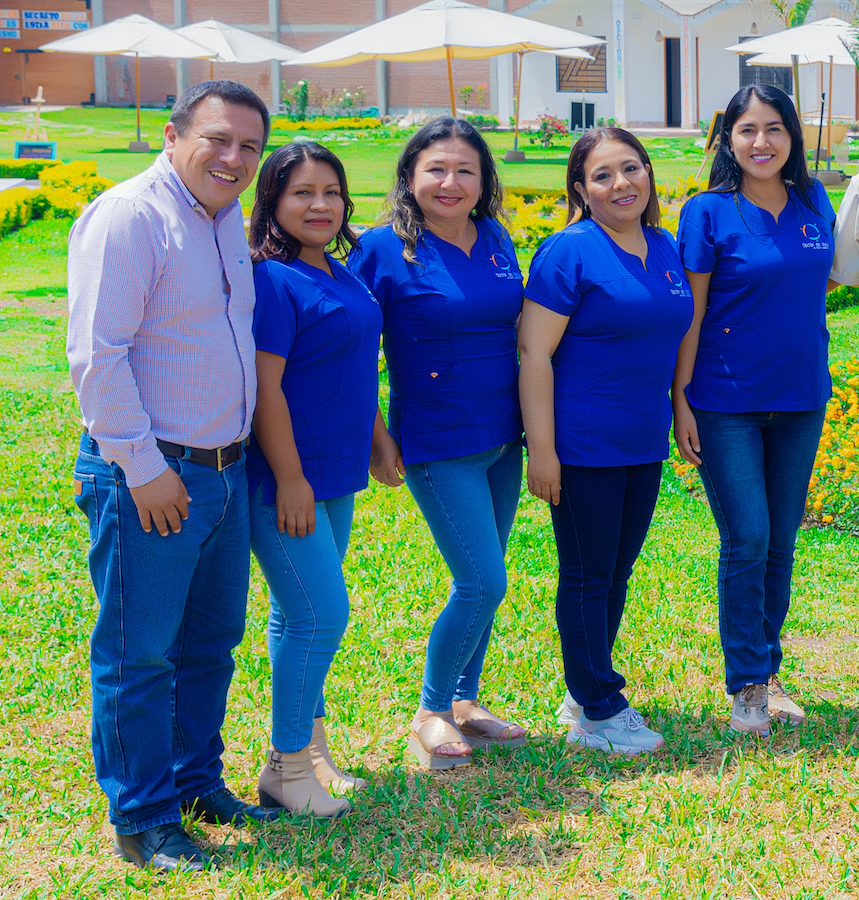
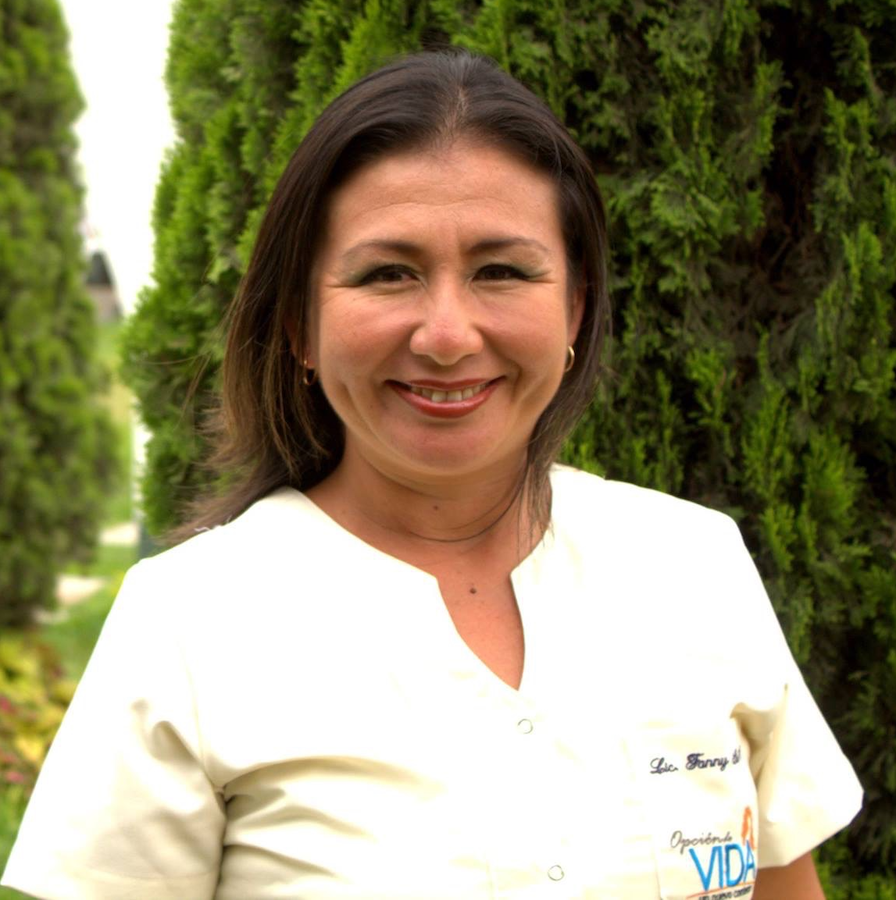
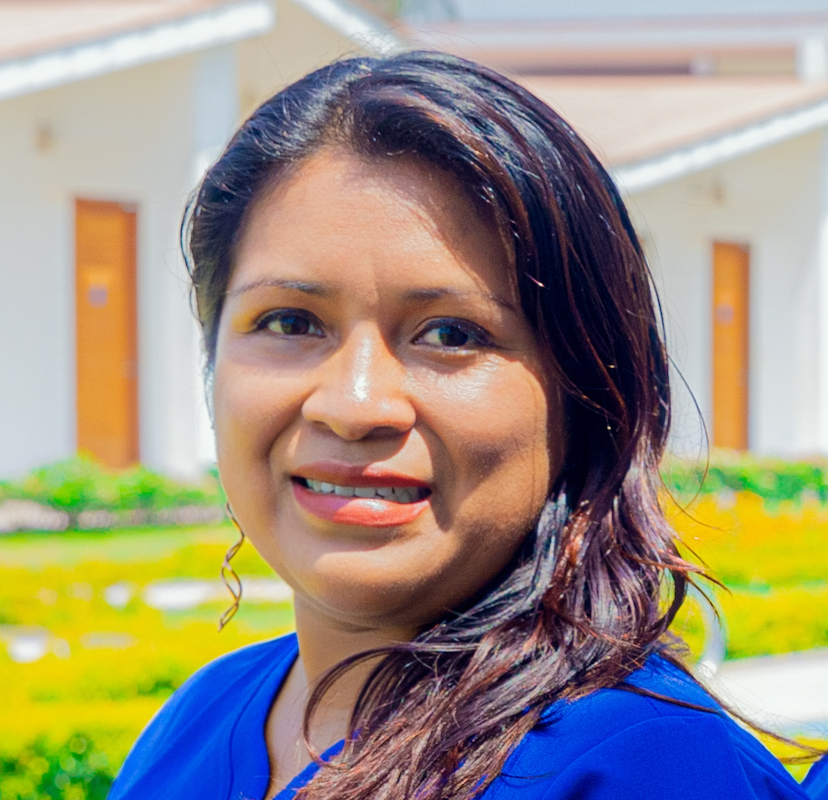
Our team DOES
have a face
Psychiatry, clinical psychology, nursing, occupational therapy, and addiction counseling. Credentials and registrations verifiable. Dedicated clinical lead and coordinated care by stages. 18 years of specialized experience in youth inpatient addiction care.



TESTIMONIALS
FROM OUR USERS
81% SUCCESS RATE AFTER TREATMENT
Admissions process
For U.S. families (virtual admission + travel U.S. to Lima)
- 1. Contact (WhatsApp/call): we understand your case and questions.
- 2. Virtual clinical assessment: interviews and records review.
- 3. Therapy plan & dates: we confirm inpatient or outpatient and schedule.
- 4. Travel coordination → itinerary guidance via major U.S. hubs (JFK, MIA, LAX, IAH, DFW) to Lima and ground transfer to campus.
- 5. Arrival & intake → welcome, day‑one schedule, and confidentiality agreements.

What is typical vs. problematic in adolescence?
Some changes are expected (more time with peers, testing styles, arguing limits). Problematic behaviors include self‑harm or suicidal ideation, substance use beyond experimentation, school refusal/expulsion, persistent isolation, violence and loss of self‑care. If these appear, we recommend a clinical assessment and, when indicated, teen inpatient treatment.
When is inpatient necessary?
Suicidal thoughts or attempts and self‑harm (e.g., cutting, burning).
Substance use beyond experimentation (alcohol, marijuana, cocaine, sedatives) with concealment and evasion.
Eating disorders (restricting, binging, purging) with medical or safety concerns.
School refusal/absenteeism, suspensions or expulsion; complete disengagement from parents.
Staying out of home, violence toward others, persistent conflict and loss of relationships.
Poor self‑care and marked decline in functioning.
How do I know if my teen has an addiction problem?
Warning signs: loss of control, tolerance/withdrawal, concealment, impact at school/home, and failed outpatient attempts. We confirm during clinical admission with interview, scales and risk review.
How do we determine if a teen needs inpatient rehab?
Red flags for teen inpatient rehab include frequent relapses, risk to self/others, hidden use and evasion, failed outpatient attempts, polysubstance use, self‑harm, or severe family crisis. We confirm in clinical admission (interview, scales, risk review).
Is inpatient addiction treatment safe for adolescents?
Yes. We are a private, licensed center with controlled access, 24/7 CCTV, nursing, and confidentiality protocols; our low therapist‑to‑client ratio improves containment
How long is teen inpatient rehab?
Length of stay is individualized and progresses by stages (stabilization, intensive treatment, consolidation). We adjust based on response, adherence, and comorbidities; we review goals with the family in clinical conferences.
What does teen inpatient rehab cost?
We provide a USD quote after virtual admission, based on level of care, intensity, estimated duration, room type, and clinical needs (medication, consults). You receive a written proposal detailing included/not included items and travel guidance U.S. to Lima.
How does virtual admission from the U.S. work?
We schedule a clinical video call, review history and risks, offer a virtual tour, set dates, and coordinate travel and ground transfer for a clear, safe arrival.
What documents are required for U.S. families?
Passport/ID, guardian consent (for minors), summary medical records, prescriptions, and emergency contacts. For minors, verify exit/entry requirements with authorities before traveling.
Can my teen keep up with school while inpatient?
When clinically appropriate, we coordinate assignments and reports with the U.S. school to maintain academic progress. Flexibility increases in step‑down or outpatient phases.
How are calls and family visits handled?
Visits open by stage; the first is typically day 30–45. We maintain scheduled calls and reports with authorized caregivers and provide practical guidelines to protect progress.
What addictions and co‑occurring issues do you treat?
We treat cocaine, alcohol, cannabis, benzodiazepines, stimulants, and co‑occurring conditions (anxiety, depression, ADHD, BPD traits) with CBT/DBT‑A/ACT, psychoeducation, and relapse‑prevention.
What is Equine‑Assisted Therapy and when is it used?
It’s a complementary therapy that supports emotional regulation, motivation, and engagement. We integrate it when clinically appropriate.
What happens after discharge?
We agree on a post‑discharge plan: relapse‑prevention tools, reintegration goals, and remote support; we can coordinate local continuity when helpful.