Residential Inpatient Rehab In Peru For Addiction Treatment (From The US)
Our residential inpatient program in Lima, Peru is designed to bring clarity and structure – a safe place to stabilize, rebuild routines, and begin a treatment plan with clinical oversight and guidance for the family.
What US families
Want To Know First
- Confidential virtual admission call with the family first
- Live guided virtual tour on Zoom before you decide
- Clear administrative call - pricing, requirements, and possible admission dates
- Structured clinical intake - nursing, medical, and psychiatric evaluation
- On-site nursing coverage available 24/7
- If higher-level care is needed - we coordinate referral and keep the family informed
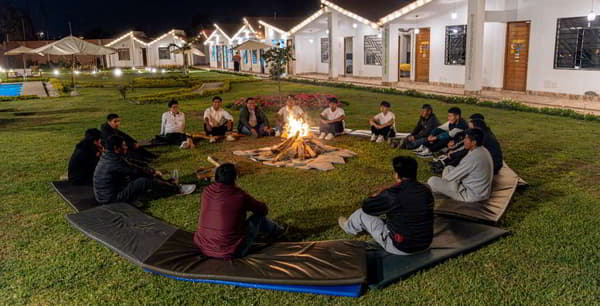
Residential inpatient rehab is not just “staying in a house.” It’s a structured treatment environment designed to interrupt the cycle of use, support early stabilization, and rebuild daily habits with professional care. In our program, the goal is for each day to be predictable and useful – consistent routines, therapy, and clear expectations.
- Daily structure and monitoring to reduce chaos and support early stability
- Individual and group therapy focused on skills and relapse prevention
- Practical tools for cravings, stress, triggers, and emotional regulation
- Family work to support change beyond the program
Admissions From The U.S - How It Works
We keep it simple and family-friendly. Here’s what the process looks like:
Step 1 - Virtual Admissions Appointment (Confidential)
We start with a virtual call with the family. We review what’s happening, assess whether residential treatment is appropriate, and define the next steps.
Step 2 - Family Guidance (When The Person Doesn’t Want Help)
When someone resists, families often feel stuck. During admissions, we share practical communication strategies to increase the chances they agree to travel and begin treatment.
Step 3 - Live Virtual Tour (Zoom)
If it helps you decide, we schedule a guided live Zoom tour so you can see the facility in real time and ask questions directly.
Step 4 - Administrative Call (Pricing, Requirements, Dates)
In parallel (or after the tour), we schedule a call to review:
- Pricing And What’s Included
- Requirements And Documentation
- Possible Intake Dates And Arrival Coordination
Step 5 - Travel + Intake Day
Once travel is set, we coordinate arrival and begin the clinical intake process.
TESTIMONIALS THAT INSPIRE,
FROM FAMILIES AND PATIENTS
AFTER TREATMENT
Important Information You Should Know
Why Lima, Peru for residential addiction treatment
Many families choose Lima, Peru for residential treatment because it creates distance from triggers and routines that keep addiction active. That distance can help – not as a “magic fix,” but as a practical reset in a focused environment.
- Privacy and distance from triggers tied to contacts, routines, or access
- A residential environment built for focus without daily distractions
- Clinical supervision during early stabilization when sleep, anxiety, and impulses can spike
- Structured days to rebuild habits step by step
Substances and profiles we evaluate
We evaluate each case individually. Many people arrive with more than one substance involved, and the plan needs to match withdrawal risk, mental health symptoms, and safety.
- Alcohol
- Cocaine
- Crack
- Methamphetamine
- MDMA – Ecstasy
- Opioids (Including fentanyl when relevant)
- Benzodiazepines
- Cannabis (When dependence is present)
- Inhalants
- Polysubstance use
Detox and stabilization
Not everyone needs detox. Detox is a clinical stabilization phase focused on monitoring withdrawal, supporting sleep, hydration, nutrition, and safety. Some substances, especially opioids and benzodiazepines, may require closer medical oversight.
What matters is a clear intake process, monitoring, and the ability to escalate to a higher level of care if needed.
- Medical evaluation typically within the first 24 hours
- Psychiatric evaluation typically within the first 72 hours
- On-site nursing coverage available 24/7
Intake safety and how urgent situations are handled
We follow strict safety protocols – clear steps, clear roles, and clear escalation pathways.
Nursing intake evaluation
Nursing completes an initial check and reviews belongings. Items that are not allowed are returned to the accompanying family member or stored per policy.
Medical evaluation
A more complete medical assessment is typically completed within the first 24 hours to understand physical status and identify risks that may require medical attention.
Psychiatric evaluation
A psychiatric assessment is typically completed within the first 72 hours (or sooner if needed), to evaluate mental status and align clinical support.
Clinical response to urgent situations
- Nursing observes and evaluates
- A physician assesses and determines next steps
- We coordinate outside care if a higher level of care is needed
- We keep the family informed so decisions stay aligned
Who this program is for
This program is designed for people whose substance use has moved beyond “a phase” and is now disrupting daily life – work, school, relationships, and safety.
- Withdrawal risk that benefits from supervised residential care
- Polysubstance use or repeated relapse
- Dual diagnosis symptoms alongside substance use
- High-risk environments that keep triggering relapse
If a case requires a more complex hospital level of care, we evaluate and coordinate the appropriate next step.
What families do during the treatment process
Families are not “spectators” in residential treatment – you are part of the decision, part of the process, and part of what makes reintegration possible.
- Guidance to make decisions without chaos
- Communication strategies if there’s resistance
- Coordination of admission, arrival, and the first days
- Updates aligned with privacy and clinical judgment
MEET OUR TEAM, REAL PEOPLE, REAL CARE
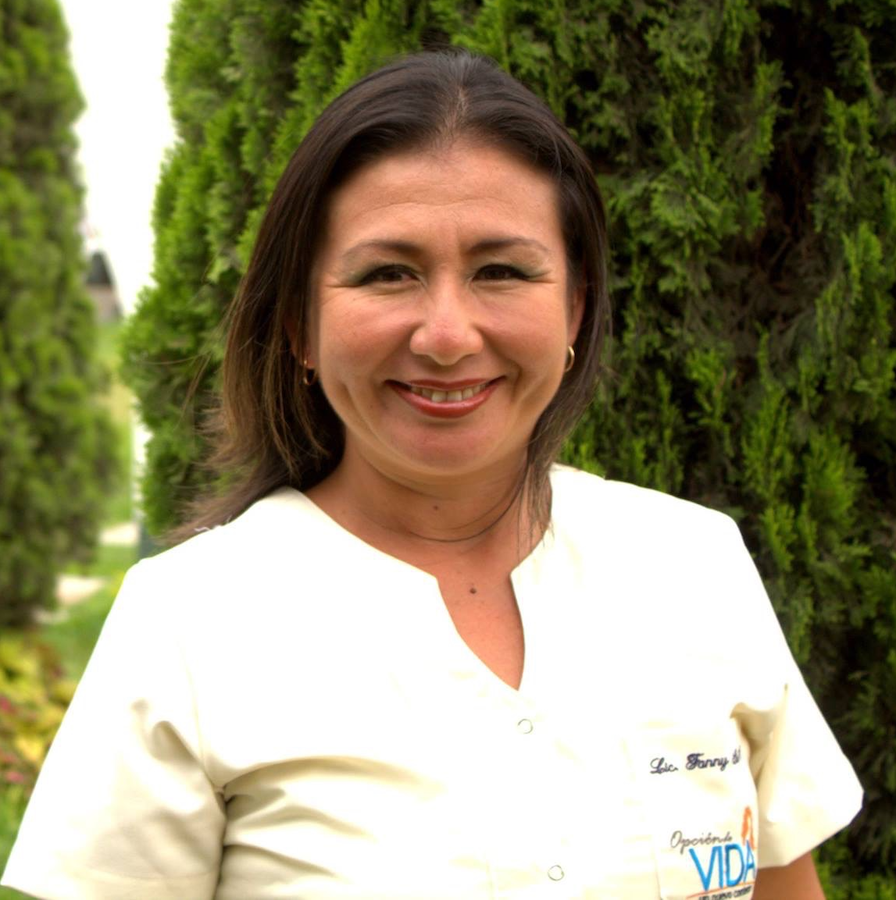
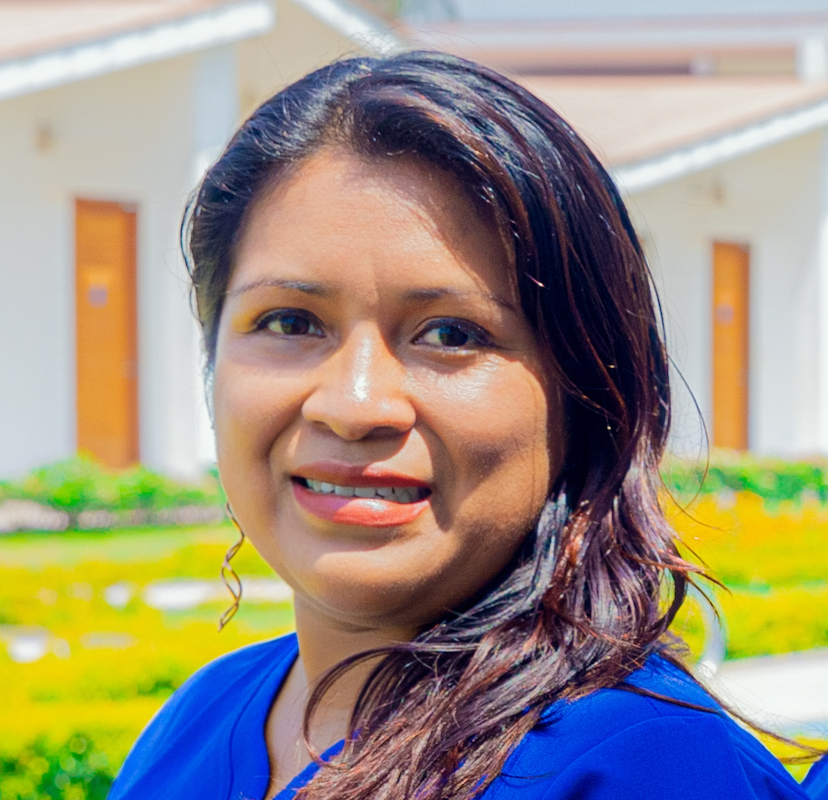
Families deserve to know who is responsible for evaluation, monitoring, and day-to-day care. During admissions, we explain roles clearly and who your point of contact will be. In residential care, we typically work with a team that includes:
- Nursing (24/7 Observation)
- Medical Evaluation And Follow-Up
- Psychiatric Evaluation When Needed
- Therapy Team (Individual And Group)
- Program And Case Coordination
Frequently Asked Questions (U.S. Families)
What does residential inpatient treatment include at your center
A structured residential plan with monitoring, therapy, routine rebuilding, and family support. Details are reviewed in the administrative call so families can decide clearly.
What types of substance use or profiles do you evaluate
Alcohol, stimulants, opioids, benzodiazepines, cannabis dependence, inhalants, and polysubstance use. Fit depends on withdrawal risk, safety, and clinical needs.
When do you recommend detox and what does stabilization mean
Detox is recommended when withdrawal risk is meaningful. Stabilization focuses on monitoring and safety, and the plan is matched to the substance profile and clinical evaluation.
How do we start admission from the US
Start with a confidential virtual admission call with the family. Then we can schedule a live Zoom tour and an administrative call to review pricing, requirements, and possible dates.
Can we see the facility before deciding
Yes. We can coordinate a live guided Zoom tour so you can see the space in real time and get your questions answered.
What documents are usually needed for admission and travel
Families typically need valid identification for travel and should bring relevant medical history, a list of current medications, and current prescriptions. We review requirements during admissions.
What happens in the first 24 to 72 hours after admission
Nursing completes intake and early monitoring. A medical evaluation is typically completed within the first 24 hours, and a psychiatric evaluation is typically completed within the first 72 hours (or sooner if needed).
How do you handle an urgent situation during treatment
Nursing evaluates first, a physician assesses, and if higher-level care is needed we coordinate referral and keep the family informed so decisions stay aligned.
How long does inpatient residential treatment usually last
Length depends on the case and the treatment plan. During admissions, we explain what a realistic plan looks like based on your situation and goals.
How is family involved during the process
Families participate in admissions and receive guidance for communication, decision-making, and reintegration planning – with updates aligned to privacy and clinical judgment.
What if the patient is already in Peru
If the patient is already in Peru, the goal is to make today practical – confirm fit, share an intake checklist, and coordinate arrival to Lima.
Virtual admission appointment as soon as possible
Intake checklist for documents and current medications
Travel coordination to Lima if the patient is outside the city
Is the service in Peru (the country) and not “Peru, Indiana”
Yes – this page refers to Lima, Peru in South America, not Peru in Indiana.
START A LIFE FREE FROM ADDICTION
If you’re looking for treatment in Peru for yourself or someone you love, the fastest next step is usually a confidential call.